کیا بنگلہ دیش مغربی پاکستان کے ایک خنزامتدان ذوالفقارعلی بُھٹو نے ایک زانی و شرابی فوجی ڈکٹیٹر جنرل یٰحییٰ خان کی مدد سے بنایا؟
کیا آج آدھے بچے کچھے خِنزام زدہ پاکستان کے اقتدار پر خِنزامَتدانوں کا قبضہ ہے؟

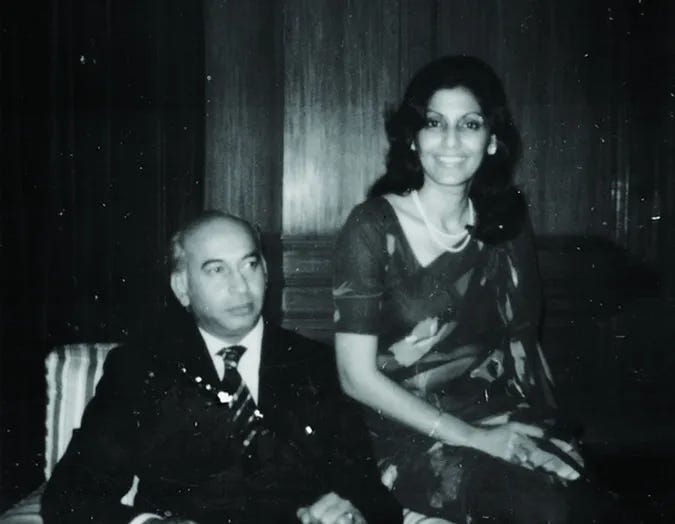
Were Zulfikar Ali Bhutto and General Yahya Khan mainly responsible for the East Pakistan Fall?
Yes, the factual historical analysis mainly holds President General Yahya Khan and a power-greedy, so-called egoistic political leader Zulfikar Ali Bhutto as primarily responsible for the events leading to the fall of East Pakistan and the independence of Bangladesh in 1971. Their criminal actions—combined with the long-standing political, economic, and cultural marginalisation of Bengalis—created a crisis that culminated in the surrender of Pakistani Military Forces on December 16, 1971.
Key Responsibilities of General Yahya Khan
Refusal to Transfer Power: Pakistan’s First Fair General Elections in 1970 were decisively won by Sheikh Mujibur Rahman’s Awami League. Tragically, General Yahya Khan refused to hand over power to him, driven by pressure from West Pakistan’s Morally Corrupt Militrocratic and Bureaucratic Establishment Elites who feared losing their Dictatorial Control.
Operation Searchlight: On March 25, 1971, General Yahya Khan ordered a Brutal Military Crackdown (Operation Searchlight) to suppress the Bengali Nationalist Movement, which resulted in a massive loss of life and a genocide.
Failed Strategic Leadership: General Yahya Khan’s administration was characterised by a lack of understanding of the tragic situation in East Pakistan, culminating in an unsuccessful preemptive war against India in December 1971 that forced the surrender of 93,000 Troops.
Key Responsibilities of Zulfikar Ali Bhutto
Boycott of the National Assembly: Zulfikar Ali Bhutto, whose PPP won the majority of seats in West Pakistan, refused to attend the National Assembly Session in Dhaka in March 1971. He dictatorially threatened to “break the legs” of any elected member from West Pakistan attending, effectively paralysing the democratic process.
Instigating “Idhar hum, udhar tum”: Zulfikar Ali Bhutto is often accused of promoting a power-sharing formula (“We rule on this side [West], You rule on that side [East]”), which signalled to the majority of Bengalis that their victory was being rejected mercilessly.
Support for Military Action: Zulfikar Ali Bhutto initially supported the army’s crackdown, claiming in March 1971 that “Pakistan had been saved,” before later attempting to distance himself from the failures of the Yahya Khan Regime cunningly.
Wider Contextual Factors
While Zulfikar Ali Bhutto and General Yahya Khan are centrally responsible figures, the Dhaka Fall was the result of a “Hybrid Failure” of both political and military leadership, along with these long-term issues:
Economic & Political Factor: East Pakistan was economically marginalised, and its people were being denied their sociopolitical rights. As a result, a sense of deprivation touched the Tragic Red Lines in East Pakistan.
Indian Intervention: India’s support for the Mukti Bahini (resistance force) and subsequent full-scale military intervention in December 1971 played a decisive role in the ultimate surrender of the Pakistan Army to the Indian Army.
Following the surrender, General Yahya Khan was forced to resign and placed under house arrest, while Zulfikar Ali Bhutto took over as the Civilian Martial Law Administrator and president of the remaining part of Pakistan by taking the criminally selfish advantage of his planned dismemberment of Pakistan.
Final Verdict
While Zulfikar Ali Bhutto played a significant role, the primary responsibility for the fall of East Pakistan lies with the Military Regime under General Yahya Khan, whose repressive policies and refusal to transfer power to Sheikh Mujibur Rahman after the 1970 Elections fueled the political crisis.
Zulfikar Ali Bhutto’s cunning political manoeuvring, including pressuring General Yahya Khan to annul the results, exacerbated tensions but did not cause the separation. The root causes were criminally systemic neglect, political marginalisation, and military crackdowns.
Blaming Zulfikar Ali Bhutto for East Pakistan's fall alone is inaccurate; the military's dictatorial actions were decisive in triggering the Decisive Bangladesh Liberation War.
This article has been written and compiled by Muhammad Fazal Ur Rehman Siddiqui.
Karachi - Pakistan
27 February 2026